In today’s health-conscious world, more people are looking for effective ways to transform their body and live a balanced and active lifestyle. With countless workout plans and fitness trends circulating online, it can be overwhelming to figure out what truly works. That is why having a personalized training program that matches your goals, lifestyle, and physical condition has never been more valuable.
At the heart of many successful fitness journeys is a certified personal trainer, someone who brings structure, expert knowledge, and lasting motivation. Before we explore exactly what a personal trainer does, it is important to understand why so many individuals are turning to expert guidance for real and lasting results.
What Is A Personal Trainer?
A personal trainer is a certified fitness professional who designs and delivers customized exercise programs to help individuals achieve specific health, wellness, and performance goals. Whether the focus is weight loss, muscle building, endurance training, or overall physical conditioning, a personal trainer provides structured, science-based support every step of the way.
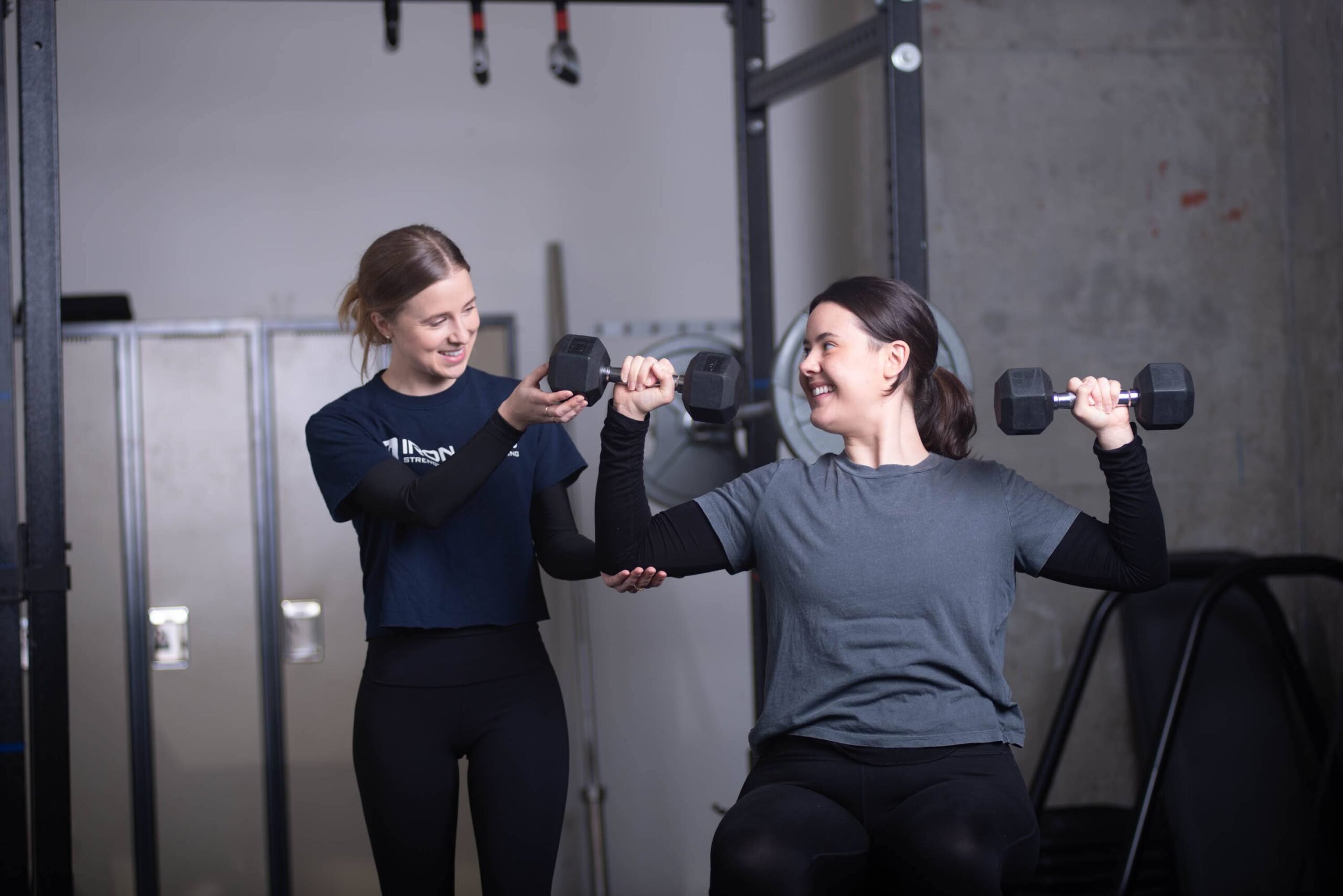
Trained in anatomy, exercise physiology, and nutrition fundamentals, certified personal trainers evaluate a client’s current fitness level, understand their limitations, and build a tailored training plan that adapts as progress is made. They also teach proper exercise form, monitor technique, reduce the risk of injury, and offer ongoing motivation and accountability.
In essence, the personal trainer guides the client through a safe and effective fitness journey, leveraging goal-specific workouts, habit coaching, and expert feedback. Many personal trainers work in gyms, private studios, or offer online coaching sessions to fit the busy lifestyles of modern clients.
Find a personal trainer near me
What Does a Personal Fitness Trainer Do?
A personal fitness trainer provides more than just supervision during workouts. They serve as educators, motivators, and strategic planners in the journey toward health, strength, and overall wellness.
A Personal Trainer Conducts Comprehensive Client Assessments to Establish Baselines
To begin the training journey, personal trainers assess clients through detailed physical and lifestyle evaluations. This includes analyzing flexibility, muscular strength, cardiovascular endurance, and movement efficiency. These findings inform the initial fitness program and reveal any limitations that may increase the risk of injury. This foundational step supports client education, goal setting, and realistic planning within fitness facilities or home environments.
Book a FREE fitness consultation call!
A Fitness Trainer Designs Customized Programs to Achieve Fitness Goals
Using insights from the assessment, the trainer creates a personalized exercise program aligned with the client’s unique fitness goals, whether fat loss, muscle gain, increased energy, or improved mobility. The program incorporates calculated sets, intensity levels, rest periods, and a variety of exercises that balance cardio, strength, and mobility work. Consideration is also given to available equipment, daily routine, and long-term sustainability.
A Personal Fitness Coach Teaches Proper Exercise Techniques to Prevent Injury
One of the most critical responsibilities is instructing clients on proper exercise technique. Whether using weights, resistance machines, or bodyweight movements, a trainer ensures the client performs each movement safely and effectively. By reinforcing biomechanics and posture, they help prevent strain and reduce the likelihood of injury, ensuring every workout maximizes results while protecting the body.
A Certified Personal Trainer Provides Nutrition Guidance to Enhance Physical Results
Although they are not registered dietitians, many personal trainers offer nutrition coaching services to support their client’s fitness goals. They educate clients on healthy food choices, macronutrient balance, hydration, and recovery nutrition. This advice complements the training program and addresses key aspects of health and performance. A well-fed body recovers faster, performs better, and sustains long-term change.
Personal Trainers Offer Motivation and Mindset Coaching to Encourage Progress
Fitness success is not just physical, it is mental. Personal trainers motivate clients by tracking progress, reinforcing consistency, and encouraging a strong mind-body connection. When challenges arise, trainers help reframe setbacks and provide the accountability needed to keep going. This emotional support transforms temporary enthusiasm into sustainable action.
A Personal Trainer Tracks Progress and Adjusts Programs to Maximize Results
As clients evolve, so must the program. Trainers routinely monitor progress through performance testing, visual changes, and client feedback. Based on this data, they update the fitness program, introducing new challenges, modifying sets, adjusting workloads, or changing exercise types. This adaptive approach ensures continued gains in muscular strength, endurance, and flexibility.
A Fitness Coach Educates Clients to Build Long-Term Wellness Habits
Even after sessions end, a skilled personal trainer focuses on helping clients maintain their fitness independently. By covering key areas such as stress and sleep management, nutrition, recovery, and exercise science, clients gain the knowledge and habits needed for long-term wellness. This approach supports lasting change rather than quick results.
How to Choose the Best Personal Trainer in Vancouver
Where Do Personal Trainers Work ?
Personal trainers can work in a variety of settings, catering to diverse populations with different fitness goals and needs. Some common places where personal trainers work include:
- Private Fitness Studios: Some personal trainers operate their private gyms, providing one-on-one or small group training sessions in a more intimate and focused setting.
- Online Platforms: With the rise of online personal training, fitness trainers can work remotely and offer their services through online platforms, conducting video sessions and providing customized workout plans and guidance.
- Gyms and Fitness Facilities: Many personal trainers are employed by gyms and fitness centers, offering their services to gym members and clients who seek personalized guidance and support.
- Corporate Fitness Programs: In larger companies or organizations, personal trainers may be employed to lead group fitness classes, wellness workshops, and health-related programs for employees.
- Recreational Facilities: Personal trainers can find opportunities in recreational centers, community centers, and sports facilities, working with individuals or teams to improve performance and overall fitness.
- Rehabilitation Centers: In collaboration with physical therapists and healthcare professionals, personal trainers may work in rehabilitation centers, assisting clients recovering from injuries or medical conditions.
- In-Home Training: Personal trainers may travel to clients’ homes or offer mobile training services, bringing fitness equipment and expertise directly to their clients’ doorstep.
How Often Should I Workout With a Personal Trainer?
Personal Trainer Salary Overview: How Much Can You Really Earn?
According to the Job Bank (Government of Canada Labour Market Information), personal trainers in Canada typically earn between CAD $15 and CAD $45 per hour, depending on factors such as experience level, geographic location, type of facility, clientele, and additional certifications. Trainers working in large urban centers or offering specialized services often earn at the higher end of this range.
Traits of a Good Personal Trainer: Skills That Matter
- Certified and Qualified: Holds a recognized personal training certification from accredited institutions, demonstrating knowledge in exercise science, anatomy, nutrition, and safety protocols.
- Strong Communication Skills: Clearly explains exercise techniques, provides client education, and listens actively to tailor workouts that align with individual fitness goals and limitations.
- Motivational and Supportive: Encourages clients through plateaus and setbacks with positive reinforcement, helping to build mental resilience and consistent workout habits.
- Adaptable and Personalized Approach: Modifies training programs based on progress, injuries, or personal needs, incorporating a variety of exercises from cardio to strength training and flexibility work.
- Keen Eye for Technique and Form: Pays close attention to exercise execution to prevent injuries, ensure proper use of equipment, and maximize training efficiency.
- Strong Knowledge of Nutrition and Recovery: Offers foundational nutrition guidance and recovery strategies to enhance results and support overall wellness and performance.
- Goal-Oriented and Results-Driven: Tracks client progress through regular fitness assessments and data, aligning each session with measurable muscular strength, endurance, or mobility outcomes.
- Professional and Ethical: Respects client confidentiality, upholds fitness industry standards, and maintains a high level of professionalism in all interactions.
- Inspiring Personal Example: Embodies a healthy lifestyle, demonstrates discipline, and serves as a role model through their own commitment to physical education and self-care.
- Continually Educated and Up-to-Date: Keeps current with evolving trends in personal training, functional fitness, and wellness science to offer the most effective, evidence-based guidance.
What Certifications Should a Personal Trainer Have?
Frequently Asked Questions About Personal Trainers
What Qualifications Should I Look for in a Personal Trainer?
In Canada, a qualified personal trainer should hold certifications such as the CSEP CPT from the Canadian Society for Exercise Physiology or the CanFitPro Personal Training Specialist. These credentials demonstrate a solid foundation in exercise science, anatomy, program design, and client safety. Trainers with additional education in areas like nutrition, injury prevention, or rehabilitation are especially valuable if you have specific health goals or physical limitations.
How Often Should I Train with a Personal Trainer to See Results?
Most clients start with two to three sessions per week, depending on their goals, availability, and fitness level. The frequency may vary based on whether your focus is on fat loss, muscle building, injury recovery, or improving overall cardiovascular health.
Can a Personal Trainer Help with Weight Loss and Diet Planning?
Yes, many personal trainers offer nutrition guidance alongside workout programs. While they are not registered dietitians, they can help you understand calorie balance, macronutrients, and healthy eating habits that support long-term weight management.
Is Hiring a Personal Trainer Worth the Investment?
Hiring a trainer can be highly beneficial if you need structured guidance, motivation, or help with specific goals. A good trainer ensures proper exercise technique, reduces injury risk, and customizes a training program to maximize your time and effort.
Do Personal Trainers Only Work in Gyms?
Not at all. Many personal trainers offer services in private studios, fitness facilities, clients’ homes, or even online coaching platforms. This flexibility allows clients to choose an environment that suits their comfort and schedule.
What Happens During a First Session with a Personal Trainer?
The first session usually includes a fitness assessment, a discussion of your health history and goals, and possibly some light exercises to evaluate your movement patterns. The trainer uses this information to design a safe and effective fitness program.
How do Personal Trainers Track Progress?
Trainers may use a combination of methods, including strength tests, body measurements, movement assessments, progress photos, or workout performance metrics. Regular check-ins help ensure your program stays aligned with your evolving fitness goals.
Personal Training Services in Vancouver
There are many personal trainers in Vancouver and finding THE ONE who can help you achieve your health and fitness goals can be very confusing, challenging, and time consuming. This is why Iron Lab has made this process simple and fast. You can schedule your fitness consultation in just 3 clicks and we offer a 30 day money back guarantee.
Our coaching doesn’t stop after you leave the gym. What you do outside of the training sessions can make or break your success. That is why ALL of our training packages include online coaching and constant support. This way we make sure you keep improving every week.
Here is what you get with Iron Lab:
- 1 on 1 personal training sessions
- Custom nutrition strategy
- Custom home workout design
- Training and nutrition tracking via phone app
- Video instruction for every exercise
- Weekly progress tracking and feedback
- Unlimited in-app and email support
- Results that last