GLP 1 and Exercise: Why Medication Works Best With a Complete Fitness Routine

by integration

GLP 1 and Exercise are becoming a major conversation for people who want to lose weight, improve metabolic health, and feel more in control of their body. GLP-1 medications can be useful tools when prescribed by a qualified healthcare provider, but they are not a stand-alone solution. They may help reduce appetite and support weight loss, but they do not automatically build strength, protect muscle and bone mass, improve mobility, increase fitness, or create long-term habits. At Iron Lab, we believe the best results come from a complete system: training, nutrition, mindset, recovery, and accountability. If you are using a GLP-1 medication, or considering one, exercise should not be treated as optional. It is one of the main ways to turn weight loss into better health, better confidence, and lasting progress. What Is GLP 1? GLP-1 stands for glucagon-like peptide-1. It is a hormone involved in appetite, digestion, insulin response, and blood sugar regulation. GLP-1 receptor agonist medications are designed to mimic or enhance the action of this hormone. Common examples include semaglutide and related medications prescribed for type 2 diabetes, weight management, or metabolic health under medical supervision. In simple terms, GLP-1 medications can help some people feel fuller, eat less, and manage blood sugar more effectively. This is why they have become popular in conversations about weight loss. But appetite control is only one part of health. A lower number on the scale does not automatically mean you are stronger, fitter, more mobile, or better nourished. Don't just lose weight, build a fitter, stronger body with Iron Lab's expert guidance Start Improving Your Health Why GLP 1 Is Not a Stand-Alone Weight Loss Solution GLP-1 medication may help create the conditions for weight loss, but it does not replace the behaviours that create a healthier body. Think of it as a tool, not the whole plan. GLP 1 Can Support Weight Loss, But It Does Not Build Fitness A GLP-1 medication may support fat loss by helping with appetite control and blood sugar regulation. However, it does not prevent or build muscle, improve your posture, teach you how to lift safely, or increase cardiovascular endurance. That is where exercise becomes essential. The goal should not only be to weigh less. Often weight loss without strength routine and adequate protein intake results in muscle loss while losing weight. The result is a lower number on scale, however less functionality, loss of strength and long term complications in terms of quality of life as you age. Why Lifestyle Habits Still Matter A complete GLP-1 wellness routine should address: Strength training to protect and build muscle and bone mass and support metabolism Nutrition coaching to help you eat enough protein, fibre, and balanced meals Cardiovascular exercise to improve stamina, heart health, and energy Recovery habits that support sleep, stress management, and consistency Accountability so the plan continues when motivation drops and when you decide you no longer need GLP drugs At Iron Lab, our weight loss coaching is built around sustainable fat loss, not crash diets or quick fixes. GLP-1 medication may support the process for some people, but lasting results still require a plan you can follow in real life. The Role of Exercise While Taking GLP 1 Exercise helps fill the gaps that medication cannot. While GLP-1 medication may influence appetite and food intake, exercise directly trains your muscles, heart, joints, balance, posture, and movement quality. Resistance Training for Muscle and Metabolism Resistance training should be a priority during any weight loss journey, especially when appetite is reduced. Strength work helps preserve and build lean muscle, supports metabolism, improves body composition, and makes daily life easier. This does not mean you need to train like an athlete. It means your routine should include progressive and custom tailored exercises to your current training skills and goals that challenges your muscles in a safe controlled manner. Cardio for Heart Health, Energy, and Endurance Cardio is another important part of a complete routine. Walking, cycling, rowing, incline treadmill work, and interval training can support cardiovascular health, improve stamina, and help with energy balance. For many people taking GLP-1 medication, low-impact cardio is a great starting point. It can support digestion, reduce stress, and make it easier to stay active between strength sessions. Mobility and Functional Movement for Better Daily Performance Mobility and functional movement help your body move well, not just look different. This can include balance drills, core stability, stretching, and exercises that improve how you move in daily life. This is why working with a personal trainer in Vancouver can be so valuable. A coach can help you train safely, adjust workouts around energy levels, and progress at the right pace. Fill the gaps medication leaves behind. Start training with a Vancouver personal trainer now Work With a Dedicated Trainer Strength Training Helps Protect Muscle During Weight Loss One of the biggest concerns with rapid weight loss is the loss of lean mass. Lean mass includes muscle, and muscle is important for strength, metabolism, balance, independence, and body composition. If weight loss happens without resistance training and adequate nutrition, you may lose weight but feel weaker or less energized due to loss of muscle mass. Why Lean Muscle Matters on a GLP 1 Journey Muscle supports your metabolism, protects your joints, improves insulin sensitivity, and gives your body shape as you lose fat. It also helps you maintain independence, especially as you age. If your GLP-1 journey results in weight loss but also a major drop in strength, that is not the best outcome. The goal is to lose fat while keeping as much muscle, function, and vitality as possible. What a Smart Strength Program Should Include A well-rounded strength program may include: Squats, hinges, lunges, presses, rows, and carries Progressive overload, where exercises gradually become more challenging Full-body training two to four times per week Technique coaching to make each movement safe and effective Adjustments for injuries, age, training history, and confidence level Iron Lab’s functional fitness personal training is especially useful here because it focuses on real-life strength, mobility, and movement quality. Nutrition Still Matters on GLP 1 Because GLP-1 medications can reduce appetite, many people eat less without trying. That may support weight loss, but it can also make it harder to eat enough protein, micronutrients, and overall nourishment. This is where nutrition becomes essential. Protein, Fibre, and Hydration Are Key A GLP-1-friendly nutrition plan should focus on protein at each meal, high-fibre foods, hydration, fruits and vegetables, and enough total food to support training. If nausea, fullness, or low appetite makes eating difficult, smaller balanced meals may be easier than forcing large portions. Why Restrictive Dieting Can Backfire When appetite is lower, it can be tempting to eat as little as possible. But under-eating can create problems, including fatigue, poor workout recovery, nutrient gaps, and a higher risk of losing muscle and bone mass. Iron Lab’s nutrition coaching is designed around sustainable eating, not restriction. That means helping you build meals that support fat loss, muscle maintenance, digestion, and energy without making food feel stressful. Fuel your body right. Get a sustainable nutrition plan that matches your goals Create a Well-Rounded Fitness Plan How to Build a GLP 1 and Exercise Routine That Lasts The best routine is not the hardest routine. It is the one you can repeat consistently while still feeling supported, safe, and in control. Start With a Realistic Weekly Training Schedule Here is a practical structure: Start with two to three strength sessions per week. Add daily walking or low-impact cardio. Include one to two mobility sessions. Prioritize protein and hydration. Track strength, energy, measurements, and habits. For people who prefer more privacy and coaching support, Iron Lab’s private gym in Vancouver provides a focused training environment without the overwhelm of a crowded public gym. Track More Than the Scale The scale can be useful, but it does not tell the whole story. During a GLP-1 journey, you should also track strength, energy, sleep, consistency, measurements, workout performance, and how your clothes fit. If you are lifting more, moving better, feeling more energetic, and building better habits, those are important signs that your routine is working. What If You Feel Tired, Nauseous, or Low Energy? Some people experience side effects while taking GLP-1 medication, including nausea, fatigue, digestive discomfort, or reduced appetite. Exercise should still be part of the plan, but the plan may need to be adjusted. Adjusting Workouts Around Side Effects On lower-energy days, your plan may include shorter strength sessions, lower intensity cardio, longer warm-ups, more rest between sets, or mobility-focused work. This flexible approach keeps you moving without forcing your body beyond what it can handle that day. When to Speak With Your Healthcare Provider You should always speak with your healthcare provider about medication side effects, dosing questions, or medical concerns. A personal trainer does not replace medical care. The best support often comes from combining medical guidance with practical coaching for exercise, nutrition, and habits. Why Accountability Is the Missing Piece Many people know they should exercise, eat protein, sleep better, and manage stress. The hard part is doing it consistently when life gets busy. Coaching Helps Turn Intention Into Consistency A coach helps you turn a goal into a plan. Instead of trying to figure everything out alone, you have someone guiding your workouts, checking your progress, adjusting your routine, and helping you stay focused when motivation changes. How Iron Lab Supports Long-Term Habit Change At Iron Lab, coaching starts with a consultation, then moves into a custom plan built around your goals, lifestyle, and current ability. Your coach helps you stay consistent, make adjustments, and build habits that can last beyond the first phase of weight loss. For clients who cannot train in person, online personal training can provide structure, programming, and check-ins from anywhere. Stop guessing and start progressing. Choose in-person coaching or online training with us Book a Call

GLP 1 and Exercise are becoming a major conversation for people who want to lose weight, improve metabolic health, and feel more in control of their body. GLP-1 medications can be useful tools when prescribed by a qualified healthcare provider, but they are not a stand-alone solution. They may help reduce appetite and support weight loss, but they do not automatically build strength, protect muscle and bone mass, improve mobility, increase fitness, or create long-term habits.

At Iron Lab, we believe the best results come from a complete system: training, nutrition, mindset, recovery, and accountability. If you are using a GLP-1 medication, or considering one, exercise should not be treated as optional. It is one of the main ways to turn weight loss into better health, better confidence, and lasting progress.

What Is GLP 1?

GLP-1 stands for glucagon-like peptide-1. It is a hormone involved in appetite, digestion, insulin response, and blood sugar regulation. GLP-1 receptor agonist medications are designed to mimic or enhance the action of this hormone. Common examples include semaglutide and related medications prescribed for type 2 diabetes, weight management, or metabolic health under medical supervision.

In simple terms, GLP-1 medications can help some people feel fuller, eat less, and manage blood sugar more effectively. This is why they have become popular in conversations about weight loss. But appetite control is only one part of health. A lower number on the scale does not automatically mean you are stronger, fitter, more mobile, or better nourished.

Don’t just lose weight, build a fitter, stronger body with Iron Lab’s expert guidance

Why GLP 1 Is Not a Stand-Alone Weight Loss Solution

GLP-1 medication may help create the conditions for weight loss, but it does not replace the behaviours that create a healthier body. Think of it as a tool, not the whole plan.

GLP 1 Can Support Weight Loss, But It Does Not Build Fitness 

A GLP-1 medication may support fat loss by helping with appetite control and blood sugar regulation. However, it does not prevent or build muscle, improve your posture, teach you how to lift safely, or increase cardiovascular endurance.

That is where exercise becomes essential. The goal should not only be to weigh less. Often weight loss without strength routine and adequate protein intake results in muscle loss while losing weight. The result is a lower number on scale, however less functionality, loss of strength and long term complications in terms of quality of life as you age.

Why Lifestyle Habits Still Matter

A complete GLP-1 wellness routine should address:

  • Strength training to protect and build muscle and bone mass and support metabolism
  • Nutrition coaching to help you eat enough protein, fibre, and balanced meals
  • Cardiovascular exercise to improve stamina, heart health, and energy
  • Recovery habits that support sleep, stress management, and consistency
  • Accountability so the plan continues when motivation drops and when you decide you no longer need GLP drugs

At Iron Lab, our weight loss coaching is built around sustainable fat loss, not crash diets or quick fixes. GLP-1 medication may support the process for some people, but lasting results still require a plan you can follow in real life.

The Role of Exercise While Taking GLP 1

Exercise helps fill the gaps that medication cannot. While GLP-1 medication may influence appetite and food intake, exercise directly trains your muscles, heart, joints, balance, posture, and movement quality.

Resistance Training for Muscle and Metabolism

Resistance training should be a priority during any weight loss journey, especially when appetite is reduced. Strength work helps preserve and build  lean muscle, supports metabolism, improves body composition, and makes daily life easier.

This does not mean you need to train like an athlete. It means your routine should include progressive and custom tailored exercises to your current training skills and goals that challenges your muscles in a safe controlled manner.

Cardio for Heart Health, Energy, and Endurance

Cardio is another important part of a complete routine. Walking, cycling, rowing, incline treadmill work, and interval training can support cardiovascular health, improve stamina, and help with energy balance.

For many people taking GLP-1 medication, low-impact cardio is a great starting point. It can support digestion, reduce stress, and make it easier to stay active between strength sessions.

Mobility and Functional Movement for Better Daily Performance

Mobility and functional movement help your body move well, not just look different. This can include balance drills, core stability, stretching, and exercises that improve how you move in daily life.

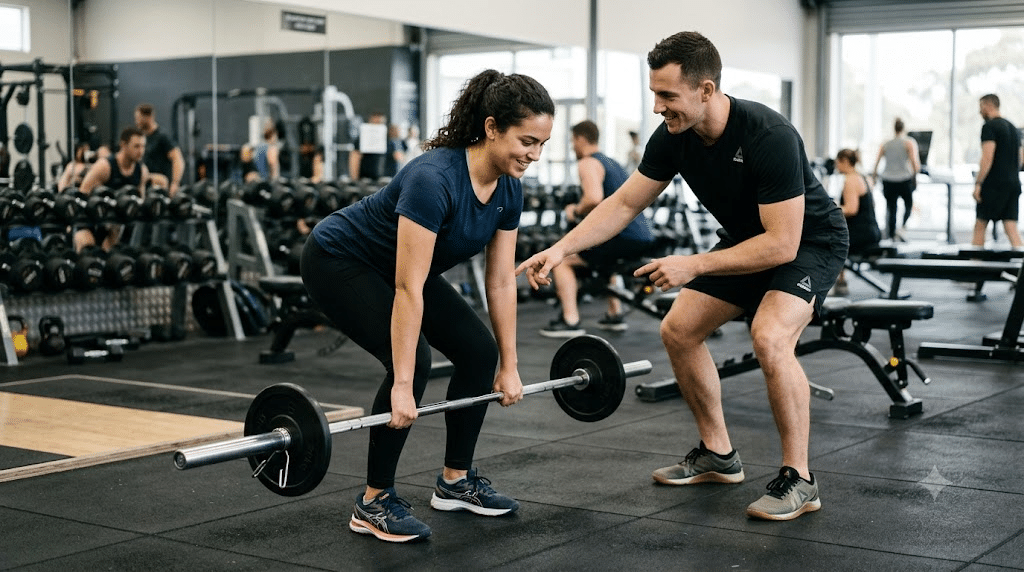
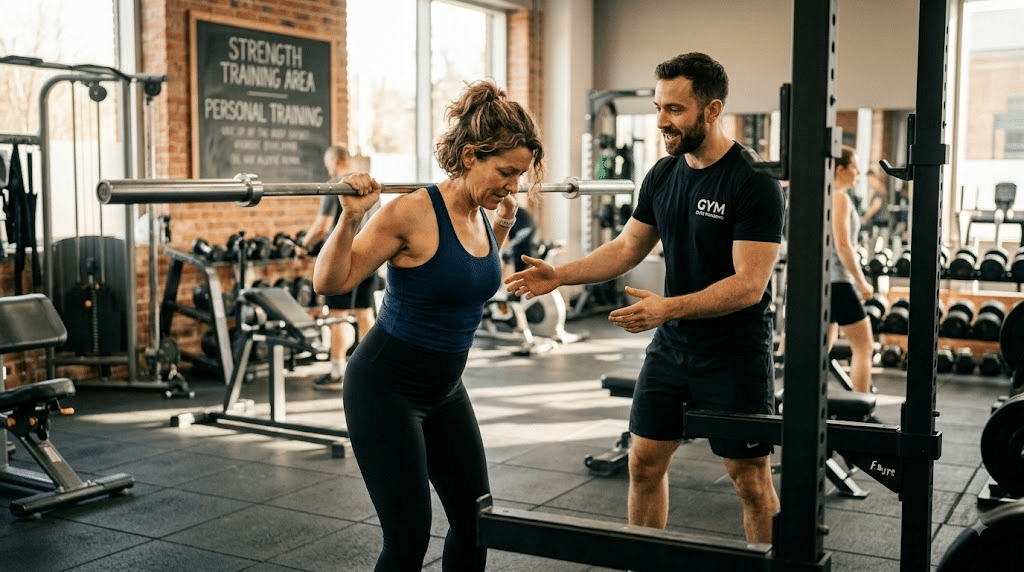
This is why working with a personal trainer in Vancouver can be so valuable. A coach can help you train safely, adjust workouts around energy levels, and progress at the right pace.

Fill the gaps medication leaves behind. Start training with a Vancouver personal trainer now

Strength Training Helps Protect Muscle During Weight Loss

One of the biggest concerns with rapid weight loss is the loss of lean mass. Lean mass includes muscle, and muscle is important for strength, metabolism, balance, independence, and body composition. If weight loss happens without resistance training and adequate nutrition, you may lose weight but feel weaker or less energized due to loss of muscle mass.

Why Lean Muscle Matters on a GLP 1 Journey

Muscle supports your metabolism, protects your joints, improves insulin sensitivity, and gives your body shape as you lose fat. It also helps you maintain independence, especially as you age.

If your GLP-1 journey results in weight loss but also a major drop in strength, that is not the best outcome. The goal is to lose fat while keeping as much muscle, function, and vitality as possible.

What a Smart Strength Program Should Include

A well-rounded strength program may include:

  • Squats, hinges, lunges, presses, rows, and carries
  • Progressive overload, where exercises gradually become more challenging
  • Full-body training two to four times per week
  • Technique coaching to make each movement safe and effective
  • Adjustments for injuries, age, training history, and confidence level

Iron Lab’s functional fitness personal training is especially useful here because it focuses on real-life strength, mobility, and movement quality.

Nutrition Still Matters on GLP 1

Because GLP-1 medications can reduce appetite, many people eat less without trying. That may support weight loss, but it can also make it harder to eat enough protein, micronutrients, and overall nourishment. This is where nutrition becomes essential.

Protein, Fibre, and Hydration Are Key

A GLP-1-friendly nutrition plan should focus on protein at each meal, high-fibre foods, hydration, fruits and vegetables, and enough total food to support training. If nausea, fullness, or low appetite makes eating difficult, smaller balanced meals may be easier than forcing large portions.

Why Restrictive Dieting Can Backfire

When appetite is lower, it can be tempting to eat as little as possible. But under-eating can create problems, including fatigue, poor workout recovery, nutrient gaps, and a higher risk of losing muscle and bone mass.

Iron Lab’s nutrition coaching is designed around sustainable eating, not restriction. That means helping you build meals that support fat loss, muscle maintenance, digestion, and energy without making food feel stressful.

Fuel your body right. Get a sustainable nutrition plan that matches your goals

Create a Well-Rounded Fitness Plan

How to Build a GLP 1 and Exercise Routine That Lasts

The best routine is not the hardest routine. It is the one you can repeat consistently while still feeling supported, safe, and in control.

Start With a Realistic Weekly Training Schedule

Here is a practical structure:

  1. Start with two to three strength sessions per week.
  2. Add daily walking or low-impact cardio.
  3. Include one to two mobility sessions.
  4. Prioritize protein and hydration.
  5. Track strength, energy, measurements, and habits.

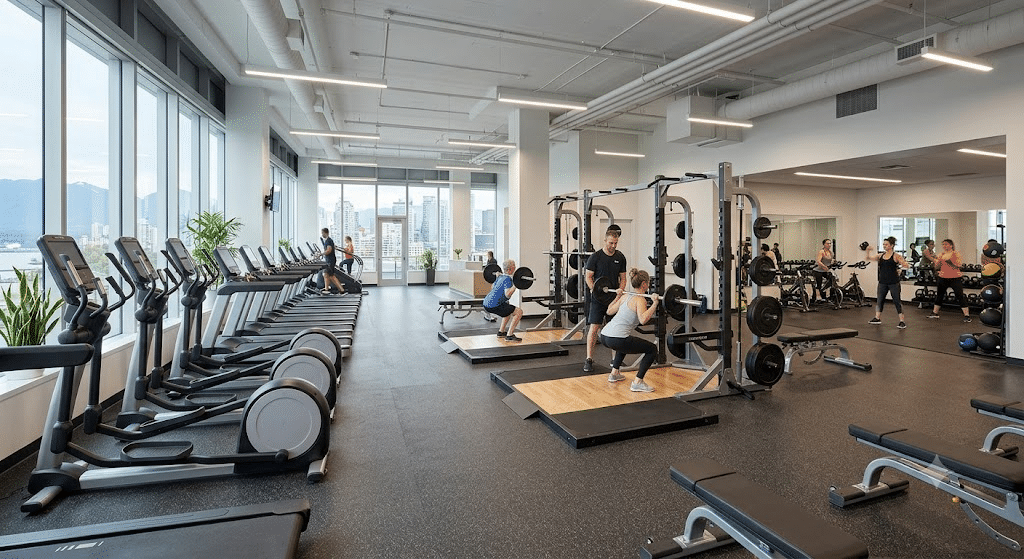
For people who prefer more privacy and coaching support, Iron Lab’s private gym in Vancouver provides a focused training environment without the overwhelm of a crowded public gym.

Track More Than the Scale

The scale can be useful, but it does not tell the whole story. During a GLP-1 journey, you should also track strength, energy, sleep, consistency, measurements, workout performance, and how your clothes fit.

If you are lifting more, moving better, feeling more energetic, and building better habits, those are important signs that your routine is working.

What If You Feel Tired, Nauseous, or Low Energy?

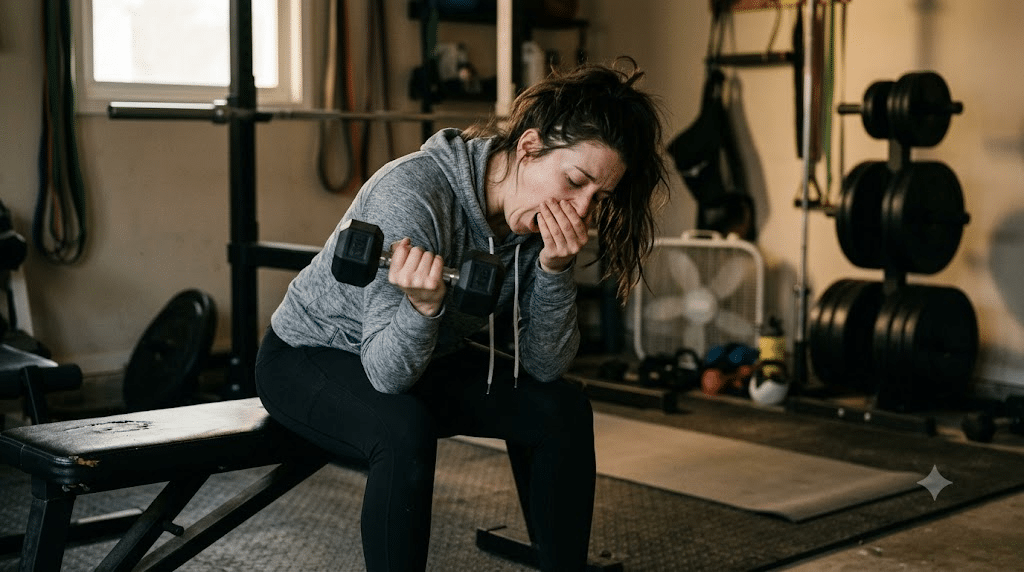
Some people experience side effects while taking GLP-1 medication, including nausea, fatigue, digestive discomfort, or reduced appetite. Exercise should still be part of the plan, but the plan may need to be adjusted.

Adjusting Workouts Around Side Effects

On lower-energy days, your plan may include shorter strength sessions, lower intensity cardio, longer warm-ups, more rest between sets, or mobility-focused work. This flexible approach keeps you moving without forcing your body beyond what it can handle that day.

When to Speak With Your Healthcare Provider

You should always speak with your healthcare provider about medication side effects, dosing questions, or medical concerns. A personal trainer does not replace medical care. The best support often comes from combining medical guidance with practical coaching for exercise, nutrition, and habits.

Why Accountability Is the Missing Piece

Many people know they should exercise, eat protein, sleep better, and manage stress. The hard part is doing it consistently when life gets busy.

Coaching Helps Turn Intention Into Consistency

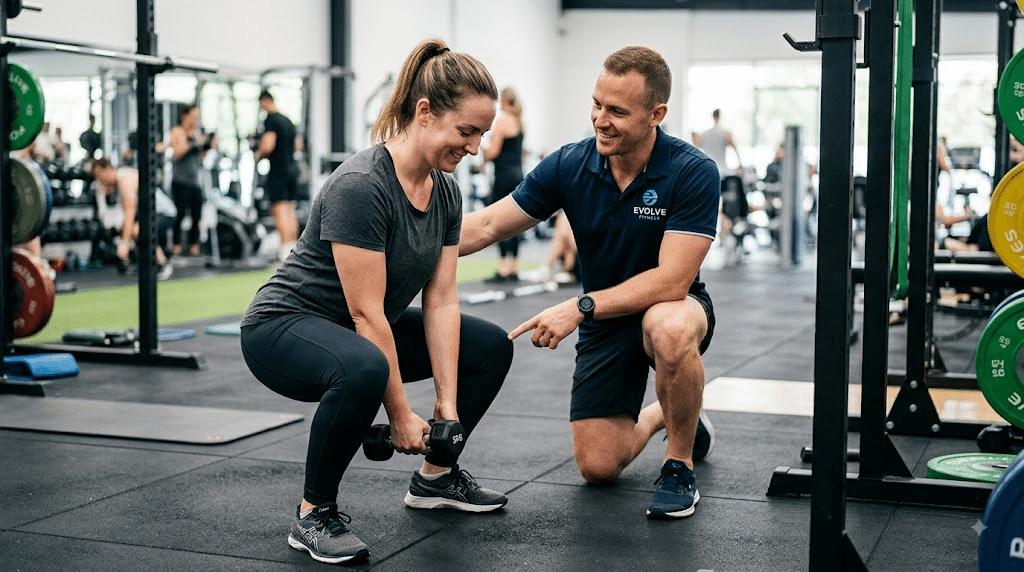
A coach helps you turn a goal into a plan. Instead of trying to figure everything out alone, you have someone guiding your workouts, checking your progress, adjusting your routine, and helping you stay focused when motivation changes.

How Iron Lab Supports Long-Term Habit Change

At Iron Lab, coaching starts with a consultation, then moves into a custom plan built around your goals, lifestyle, and current ability. Your coach helps you stay consistent, make adjustments, and build habits that can last beyond the first phase of weight loss.

For clients who cannot train in person, online personal training can provide structure, programming, and check-ins from anywhere.
Stop guessing and start progressing. Choose in-person coaching or online training with us

Share

Leave a Comment