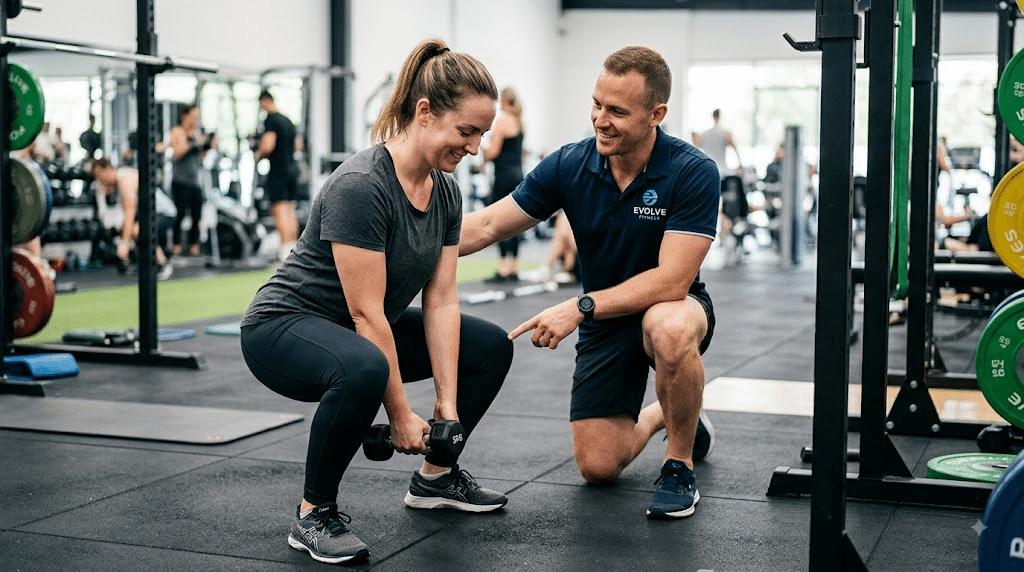
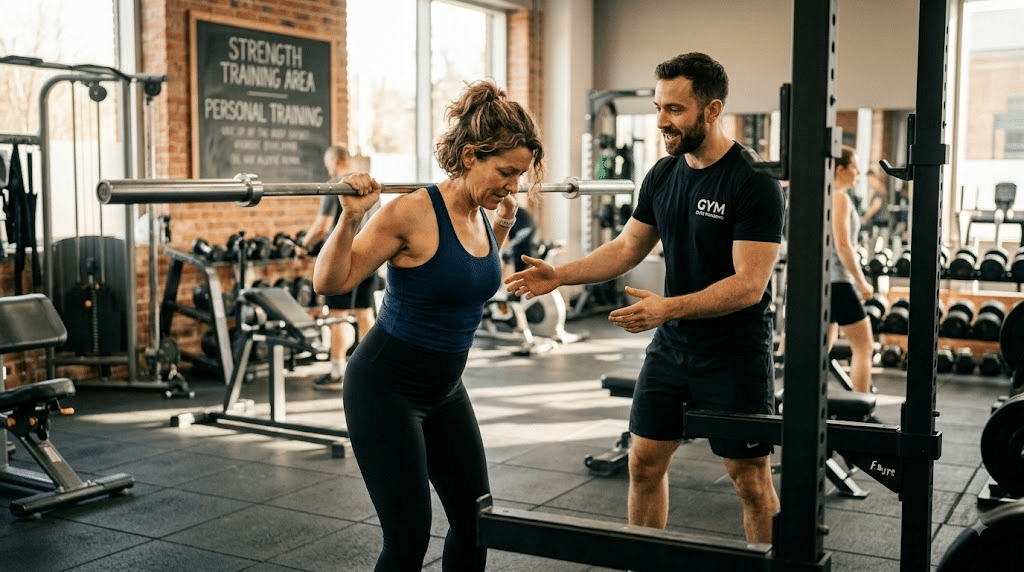
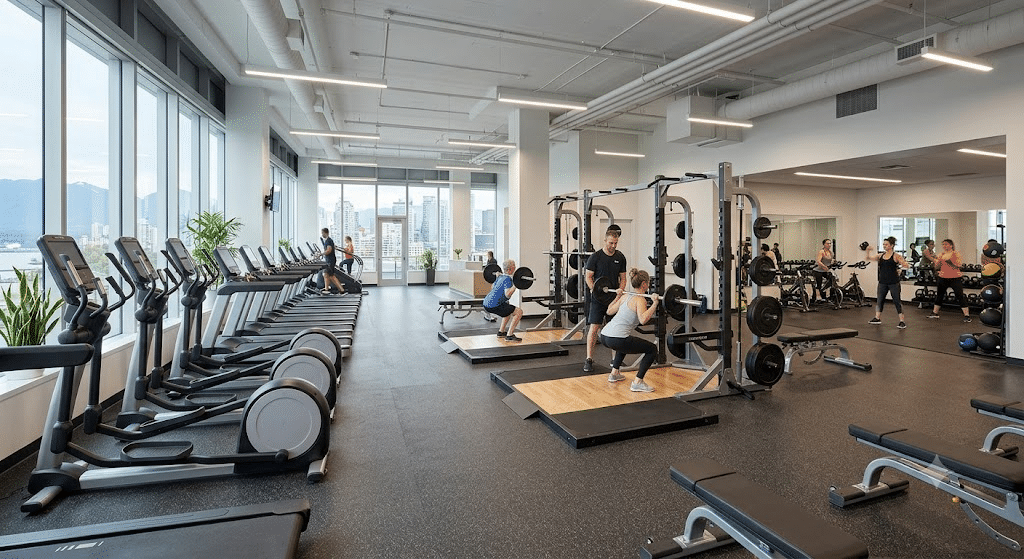
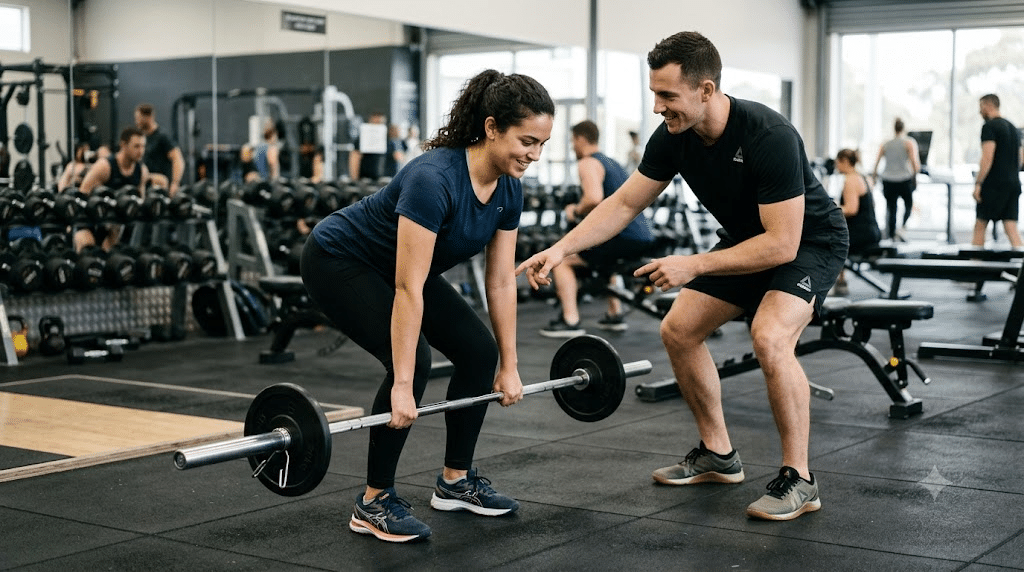
Hybrid training has quickly become one of the most effective ways to build a strong, resilient, and well conditioned body. Instead of choosing between lifting weights or improving your endurance, hybrid training brings both qualities together within one structured approach. It appeals to people who want balanced fitness, better health markers, and the ability to perform well in everyday life, sport, and events. Whether you are aiming for better strength, a faster run time, improved energy, or a more athletic physique, hybrid training provides a method that adapts to your goals and lifestyle.
What makes this style so appealing is its practicality. You don’t need to be an elite athlete to benefit from hybrid programming, and you don’t need endless hours in the gym. With the right structure and guidance, anyone can combine strength work, conditioning, and skill based training in a way that feels manageable and produces steady progress. This guide breaks down what hybrid training is, how it works, and how you can begin using it to build a more confident version of yourself.
What Is Hybrid Training?
Hybrid training is a comprehensive approach that combines strength training and endurance work within the same program, allowing you to develop multiple fitness qualities simultaneously. Unlike traditional training splits that isolate either lifting or cardiovascular training, hybrid training integrates resistance training sessions with running, cycling, or other endurance exercises to create well-rounded athletic performance.
The hybrid athlete embraces functional movements from deadlifting and powerlifting while maintaining aerobic capacity through structured endurance training, pushing the limits of what’s possible when you stop choosing between being strong or having stamina.
Hybrid Training vs Cross Training
Here’s the key distinction between hybrid training and cross-training:
- Hybrid Training: A deliberate training system that develops strength and endurance at the same time, using structured progression, balanced volume, and strategic workout sequencing to build a well-rounded, high-performing athlete.
- Cross-Training: A complementary approach where secondary activities are used to support a primary sport, for example when a runner incorporates cycling or swimming to boost conditioning, reduce injury risk, and add variety without shifting the main athletic focus.
Key Benefits of Hybrid Training
1. Strength, Power & Endurance Improvements
Hybrid training develops a unique blend of physical capacities that pure strength or endurance programs cannot match. By integrating progressive overload principles from resistance training with the aerobic base-building of endurance work, you create adaptations across different energy systems.
Your body learns to generate force through compound movements while maintaining work capacity during longer efforts. This means you can express power when moving heavy loads and sustain performance during extended workloads, making you more capable in real-world situations and competitive events like Hyrox or obstacle course races.
2. Body Composition, Fat Loss & Muscle Gain
The combination of strength training and cardiovascular training creates favorable conditions for body recomposition. Resistance training stimulates muscle hypertrophy and preserves lean mass even during calorie deficits, while endurance exercises increase daily energy expenditure and improve metabolic flexibility.
Many hybrid athletes find they can simultaneously build muscle in targeted muscle groups while reducing body fat, something difficult to achieve with single-modality training. The varied training stimulus also prevents metabolic adaptation, keeping your body responsive to both lifting sessions and conditioning work.
3. Cardiovascular Health, VO₂ Max & Longevity
Regular cardiovascular training improves heart health markers including resting heart rate, blood pressure, and cholesterol profiles. Hybrid training enhances VO₂ max, your body’s maximum oxygen utilization capacity, which research consistently links to longevity and reduced disease risk.
The combination of resistance training and aerobic work delivers comprehensive cardiometabolic benefits. Strength training enhances insulin sensitivity and supports bone density, while endurance training improves cardiovascular function and increases mitochondrial density. Together, these two methods address multiple health markers at once and create a strong foundation for long-term wellness.
4. Injury Risk Reduction Through Balanced Training
Hybrid training naturally creates balance across muscle groups and movement patterns, which helps reduce the overuse injuries that are common among single sport athletes. Runners who focus only on running often develop imbalances and repetitive strain issues, while athletes who train only for strength may lack the work capacity and joint preparation that come from a wider range of movement.
When you incorporate functional fitness elements such as mobility work, varied loading patterns, and diverse training stimuli, you build resilience across multiple planes of motion. This broader training effect ensures you are not repeatedly stressing the same tissues, allowing the body to adapt while still maintaining consistent progress through different types of training.
How Personal Trainers Customize Hybrid Training to Avoid Overtraining
Here is how personal trainers from Iron Lab tailor hybrid training so clients can progress without overtraining:
- They adjust overall training volume so strength work and endurance work complement each other rather than compete for recovery.
- They sequence workouts in an order that protects performance, such as placing high skill or high load sessions after adequate rest.
- They monitor intensity through tools like RPE, heart rate, and movement quality to prevent excessive fatigue from building up.
- They schedule rest days and active recovery sessions based on the individual’s stress levels, sleep quality, and training response.
- They modify exercises when joints feel stressed or when life demands increase, ensuring that progress continues without unnecessary strain.
- They use planned progressions across training blocks so the body adapts steadily instead of being pushed too hard too quickly.
Personal training services
The Science Behind Concurrent Training
The Interference Effect Explained
The interference effect describes how endurance training can potentially blunt strength and muscle hypertrophy adaptations when combined improperly with resistance training. At the molecular level, endurance work activates AMPK pathways (promoting mitochondrial adaptations and fat oxidation) while strength training activates mTOR pathways (driving muscle protein synthesis and growth).
These pathways can compete for cellular resources, potentially compromising optimal adaptations to either stimulus. However, understanding the fundamentals of this interference allows you to structure training intelligently to minimize conflicts while maximizing the benefits of both modalities.
Strength First or Cardio First? Optimal Training Order
When combining lifting and cardiovascular training in the same session, prioritize your primary goal first. If building strength or muscle is your focus, perform resistance training when you’re fresh, as fatigue from endurance work reduces force production and compromises lifting technique.
Conversely, if endurance performance is paramount, do your quality running or cycling work before strength training. For true hybrid athletes seeking balanced development, consider separating sessions by at least six hours when possible, or alternate which modality comes first throughout your training plan. Morning strength sessions followed by evening conditioning, or vice versa, allow each system to receive focused attention with adequate neural and metabolic resources.
How to Manage Volume, Intensity & Recovery
Successful hybrid training requires thoughtful management of total training volume and intensity in order to prevent overtraining. It’s important to rack weekly workloads across both strength and endurance work, paying attention not only to sets and repetitions but also to distance, duration, and intensity zones. Periodization is essential because it’s not possible to push every quality to maximum effort at the same time.
Structure your program with dedicated training blocks that emphasize different qualities, or use a daily undulating approach where heavy strength sessions are paired with easy aerobic work and demanding conditioning sessions follow lighter strength days. Include a planned deload week every four to six weeks, reducing overall volume by roughly one half while keeping some intensity so the body can recover without losing progress.
How to Choose the Best Personal Trainer in Vancouver
How to Start Hybrid Training as a Beginner
- Establish a baseline in both strength and endurance by testing fundamental movement patterns (squat, hinge, press, pull) and basic cardiovascular capacity (easy 20-30 minute run, bike, or row)
- Start with 3-4 training days per week, alternating between strength-focused and endurance-focused sessions rather than combining both in every workout
- Choose 2 strength days focusing on compound movements like squats, deadlifting, presses, and rows with moderate weights and 3-4 sets of 6-10 reps
- Add 2 endurance sessions of 20-40 minutes at conversational pace (running, cycling, swimming, or rowing) building aerobic base before adding intensity
- Allow at least one full rest day between similar training stimuli (strength-to-strength or endurance-to-endurance) to ensure adequate recovery
- Master technique first before increasing loads or intensity, especially in complex movements like Olympic lifts or high-impact running
- Progress gradually by adding 5-10% volume every 2-3 weeks rather than jumping into advanced hybrid athlete training protocols
- Monitor recovery markers including sleep quality, resting heart rate, mood, and performance (if consistently declining, reduce training volume)
- Consider working with a coach who understands concurrent training principles to design a personalized progression that matches your current fitness level and goals
How Much Weight Can You Lose in a Month?
Hybrid Workouts (Session-Level Examples)
Full-Body Hybrid Workout (Gym)
This session combines strength fundamentals with metabolic conditioning in one 60-75 minute workout:
Strength Block (35-40 minutes):
- Back Squat: 4 sets x 6 reps at 75-80% 1RM
- Barbell Bench Press: 4 sets x 8 reps
- Deadlifts: 3 sets x 5 reps (moderate weight, focus on technique)
- Pull-ups or Lat Pulldowns: 3 sets x 8-10 reps
- Plank variations: 3 sets x 30-45 seconds
Conditioning Finisher (15-20 minutes):
- 5 rounds: 12 kettlebell swings, 10 box step-ups, 8 calories on rower, 1-minute rest between rounds
This structure prioritizes lifting while fresh, then challenges work capacity through functional movements that elevate heart rate without excessive muscle damage.
Strength + Running Combo Session
Perfect for runners building strength or lifters improving running economy:
Option A – Strength Priority:
- Lower body strength work: squats, Romanian deadlifts, split squats (40 minutes)
- Followed by easy 20-minute Zone 2 run to promote blood flow and recovery
Option B – Running Priority:
- Quality run workout: 5 x 1km intervals at threshold pace with 2-minute recovery jogs (35 minutes)
- Followed by upper body strength maintenance: push-ups, rows, shoulder work (20 minutes)
Separating lower-body lifting from intense running on different days prevents excessive leg fatigue and injury risk, while pairing hard lower-body days with easy running maintains training frequency.
At-Home Hybrid Workout (Minimal Equipment)
Build strength and conditioning with just bodyweight and basic equipment:
Circuit (repeat 4 rounds, 90 seconds rest between rounds):
- Goblet Squats (kettlebell or dumbbell): 12 reps
- Push-up variations: 10-15 reps
- Walking Lunges: 20 total steps
- Bent-over Rows (resistance band or household items): 12 reps
- Plank to Down Dog: 10 reps
- Jumping Jacks or High Knees: 30 seconds
Finisher:
- 10-minute EMOM (every minute on the minute): 10 burpees, rest remainder of minute
This format builds strength through time under tension while maintaining elevated heart rate for cardiovascular benefits.
Conditioning Finishers (EMOMs, Intervals, Sled Pushes)
Add these to strength days to boost work capacity without excessive volume:
EMOM Options (10-15 minutes):
- Minute 1: 15 kettlebell swings; Minute 2: 12 box jumps; Minute 3: 10 calories assault bike; Minute 4: rest
Interval Options:
- 8 x 30 seconds assault bike at max effort, 90 seconds easy pedaling
- 6 x 40-meter sled pushes (moderate-heavy load), 2 minutes rest
Sled Work Benefits:
- Develops power and acceleration without eccentric muscle damage
- Builds leg drive and conditioning simultaneously
- Low injury risk makes it ideal for hybrid programs
These finishers train the anaerobic system and teach your body to perform under fatigue which is essential for functional fitness and competitive events.
Nutrition & Recovery for Hybrid Athletes
How to Fuel Hybrid Training (Macros, Carbs, Protein Timing)
Hybrid training places high demands on both strength and endurance systems, so consistent and adequate fueling is essential. Prioritize daily protein intake to support muscle repair, and include enough carbohydrates to maintain glycogen levels that are used during lifting and aerobic work.
Consume a portion of your carbohydrates before training to support performance and again after training to support recovery. Include healthy fats each day for hormone balance and overall health. During periods of high training volume, increase total calories to avoid under fueling and the performance decline that follows.
Sleep, Stress & Recovery Essentials
Recovery is the deciding factor between progress and burnout. Aim for seven to nine hours of uninterrupted sleep each night, since this is when muscle repair and nervous system recovery take place. Manage daily stress through simple recovery practices such as rest days, gentle movement, breathwork, or short relaxation sessions.
Mobility work a few times each week helps maintain joint health, and light active recovery sessions can promote circulation without creating extra fatigue. If available, monitor indicators such as resting heart rate or heart rate variability, since consistent downward trends often signal the need for reduced training load.
Is Eating Before or After a Workout Better?
Who Should Consider Professional Hybrid Training Coaching?
- Beginners feeling overwhelmed by the complexity of programming both strength and endurance effectively without guidance
- Experienced lifters or runners wanting to add the opposite modality without sacrificing existing performance gains
- Anyone recovering from injury needing careful load management and exercise modifications across multiple training domains
- Busy professionals who need time-efficient programming that maximizes results while fitting realistic training schedules
- People hitting plateaus in their self-programmed hybrid training who need expert eyes on technique, periodization, or recovery
- Athletes preparing for specific events like Hyrox, Ironman, CrossFit competitions, or military fitness tests requiring well-rounded physical preparation
- Those with specific goals like body recomposition, improving functional fitness for daily life, or achieving balanced athletic development
Want a hybrid program tailored to your goals? Book a free consultation with our experienced team
FAQs About Hybrid Training Programs
Does hybrid training build muscle?
Yes, hybrid training can build muscle as long as you include structured strength work with progressive overload and adequate protein intake. Endurance work does not prevent muscle growth when volume and recovery are managed correctly.
How long should a hybrid workout be?
Most hybrid workouts last between 40 and 60 minutes, which is enough time to complete focused strength work along with short to moderate conditioning sessions.
Can I do hybrid training without running?
Yes, you can follow hybrid training without running by using alternatives such as cycling, rowing, swimming, or low impact conditioning circuits.
Can beginners safely start hybrid training?
Beginners can start hybrid training safely when they use simple movement patterns, moderate intensity, and a balanced weekly schedule that prevents excessive fatigue.
What equipment do I need for hybrid training?
You can begin hybrid training with basic equipment such as dumbbells, kettlebells, resistance bands, and a cardio option like a rower, bike, or even brisk walking.
Should I hire a personal trainer for hybrid training?
A personal trainer can improve results by designing a balanced program, managing training volume, teaching proper technique, and preventing overtraining, especially for beginners or busy adults.
Hybrid Personal Training Services in Vancouver
Iron Lab offers personalized hybrid personal training services designed to help you get stronger, leaner, and healthier with support that fits your life and goals. With over a decade of coaching experience and more than 700 client transformations, our expert fitness trainers create custom training plans that combine strength training, conditioning, nutrition coaching, mindset strategies, and stress management to ensure measurable progress and lasting results.
Whether you prefer one-on-one training in our downtown Vancouver studio or the flexibility of online coaching, Iron Lab provides tailored workout programs, progress tracking through a mobile app and ongoing accountability to keep you motivated and on track.