Starting a new fitness routine is exciting, but trying to overhaul your entire lifestyle overnight is a fast track to early burnout. The real secret to lasting success is not extreme intensity, but building sustainable consistency.
This practical beginner guide breaks down how to create a simple workout routine that actually lasts, without feeling overwhelmed. You will learn how to assess your baseline, set realistic goals, and balance strength training, cardio, and mobility exercises.
How to Start Your Fitness Journey Without Feeling Overwhelmed
One of the biggest mistakes beginners make is trying to solve everything at once.
You decide to exercise five days a week, completely change your diet, wake up earlier, hit 10,000 steps every day and never eat dessert again. The plan feels productive, but it can quickly become overwhelming.
Instead, start small.
Your first objective is not to create the perfect workout routine. It is to create enough consistency that exercise begins to feel like a normal part of your life.
Ready to stop overthinking and start making real progress?
Book your consultation with Iron Lab today!
Assess Your Current Fitness Level Before You Begin
Before choosing exercises or setting ambitious targets, take an honest look at where you are starting.
Consider your current activity level, strength, cardiovascular fitness, mobility and any injuries or physical limitations. Someone who has not exercised regularly for several years needs a different beginner fitness plan than someone returning after a few months away.
A basic fitness assessment can help establish a useful starting point. You might look at things such as:
• How long you can comfortably walk without stopping
• Your ability to squat, bend, push and pull
• Current mobility and range of motion
• Previous injuries or movements that cause discomfort
• Your energy levels throughout a normal week
At Iron Lab, we ask you to complete a Physical Activity Questionnaire to ensure you begin safely. During your first session, your trainer will explore your health background to tailor workouts specifically for you.
Set Realistic Fitness Goals You Can Actually Maintain
Fitness goals give your training direction, but vague or unrealistic goals can become discouraging.
“I want to get fit” is difficult to measure. “I want to complete three workouts per week for the next eight weeks” gives you something concrete to work toward.
Your goals could include:
- Complete two or three workouts each week for the next month.
- Walk for 30 minutes without becoming excessively tired.
- Improve your strength on several basic exercises.
- Develop enough consistency that training becomes part of your weekly routine.
- Improve energy, mobility or confidence rather than focusing only on body weight.
Weight loss and building muscle can certainly be worthwhile goals, but they should not be your only measurements of success.
Start Small Instead of Trying to Change Everything at Once
Starting small is not the same as thinking small.
A sustainable fitness routine grows through gradual progression. Two workouts every week that you consistently complete are more valuable than planning six workouts and repeatedly missing four of them.
You could begin with 20 to 30 minutes of movement two or three times per week. As your body adapts and your confidence improves, you can gradually increase your training volume or intensity.
Turn overwhelming goals into clear, step-by-step milestones you can hit
Build a Beginner Fitness Routine Around Strength, Cardio and Mobility
There is no single perfect workout plan for every beginner.
Your routine should reflect your goals, fitness level, schedule, preferences and physical limitations. However, most people benefit from combining strength training, cardiovascular activity and mobility work.
Strength Training and Bodyweight Exercises for Beginners
Strength training should be part of most well-rounded fitness programs.
You can begin with bodyweight exercises, resistance bands, free weights or gym machines depending on your experience and available equipment.
A beginner strength workout might include movements such as:
• Squats or a supported squat variation
• Lunges or step-ups
• Push-ups or chest presses
• Rows
• Hip hinges
• Core stability exercises
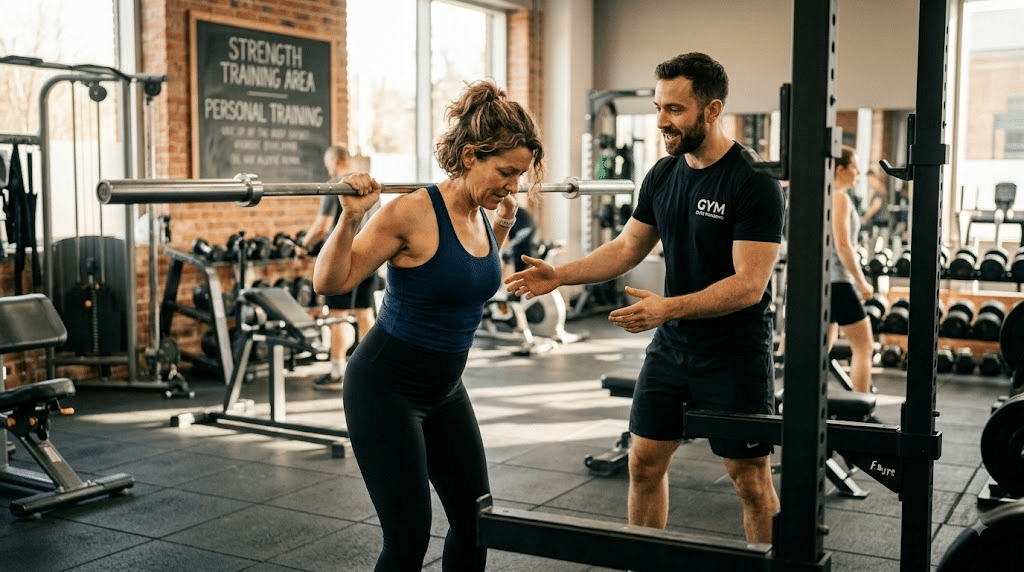
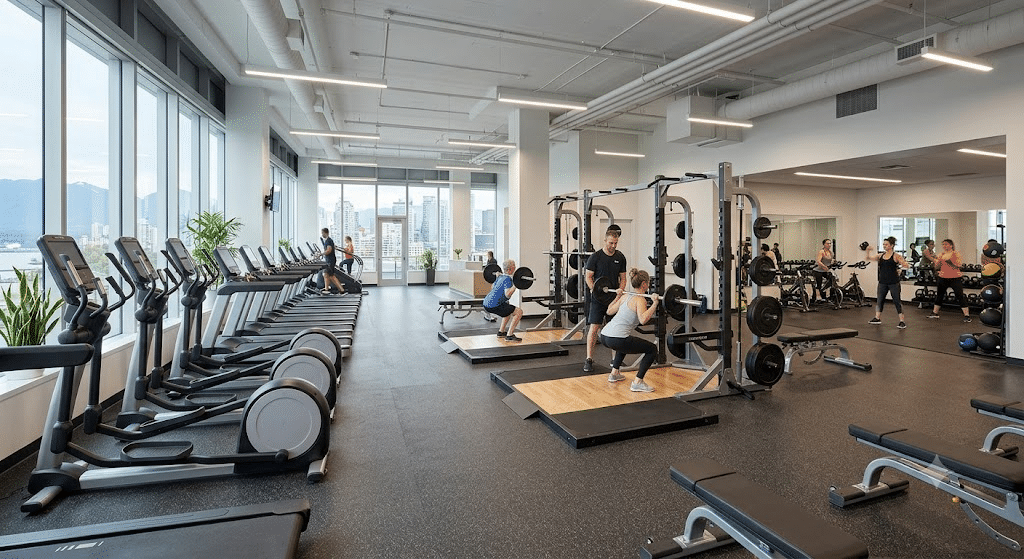
Iron Lab’s private gym has all the equipment you need to ease yourself in comfortably. You will work alongside a dedicated personal trainer who guides you every step of the way, ensuring you use each piece of equipment safely and effectively to reach your goals.
Add Walking, Cardio and Mobility for a Balanced Routine
Cardio extends far beyond treadmill running. Activities like walking, cycling, or swimming build endurance without overcomplicating your routine. Adding simple mobility work improves your range of motion, making strength training more effective and daily tasks easier. Prioritize low-impact cardio alongside your lifting to build a safe, well-rounded fitness plan focused on long-term sustainability rather than maximum calorie burn.
A balanced program keeps your body strong, agile, and free from injury over time
Contact Iron Lab today to create your custom training plan!
Make Training, Nutrition, Mindset and Recovery Work Together
Exercise matters, but your workouts are only one part of a successful fitness journey.
Training creates the stimulus for your body to adapt. Nutrition helps provide the energy and nutrients required to support those adaptations. Recovery gives your body time to respond. Mindset influences whether you remain consistent when motivation fluctuates.
Ignoring one area can make the others harder.
For example, training intensely while sleeping poorly and eating inadequately can leave you feeling exhausted. Similarly, having an excellent nutrition plan will not build strength if you never train consistently.
Try to treat these areas as a connected system:
• Training: Follow a progressive workout routine appropriate for your goals.
• Nutrition: Eat in a way that supports your health, energy and training.
• Mindset: Focus on sustainable habits rather than perfection.
• Recovery: Include rest days and prioritize good-quality sleep.
How to Stay Consistent With Exercise When Motivation Drops
Motivation helps you start a fitness journey, but it is unreliable long-term. There will be days when you are excited to train and days when you would rather not. Building habits reduces the motivation needed to move forward. Instead of relying on willpower, create systems that make exercise an automatic part of your normal routine.
- Schedule Workouts You Enjoy: Treat workouts like non-negotiable appointments in your calendar. Choose activities you genuinely like, whether that is strength training, walking, or sports, because enjoyment drastically increases your long-term adherence to a routine.
- Work With a Personal Trainer: Partnering with a professional provides structured programming, expert guidance, and built-in accountability. Having a coach waiting for you turns exercise into a firm commitment, keeping you on track even on low-motivation days.
- Build Fitness Around a Busy Schedule: Keep your routine realistic by lowering friction. Prepare gear in advance and shorten workouts when life gets busy. A quick 20-minute session maintains your momentum far better than skipping a long workout entirely.
- Track Non-Scale Progress: Look beyond body weight to stay encouraged. Track strength gains, energy levels, endurance, and how your clothes fit. Recognizing these subtle improvements reinforces your effort when scale movement slows down or plateaus.
- Focus on Consistency Over Perfection: A single missed workout will not ruin your progress, but letting one missed day turn into weeks will. Give yourself grace, avoid an all-or-nothing mindset, and simply resume your routine at the next opportunity.
Relying on willpower alone rarely works, but structured accountability keeps you moving
Avoid the Mistakes That Derail a New Fitness Journey
Many fitness journeys fail not from choosing the wrong exercises, but from building an unsustainable routine. Recognizing these common pitfalls early keeps your progress on track.
Doing Too Much Too Soon
Doubling physical activity overnight causes extreme soreness and exhaustion before your body adapts. Start with a manageable workload you can recover from easily. Early workouts should leave you feeling like you could have done slightly more, not paralyzed for days.
Ignoring Recovery and Rest Days
Strength and endurance adapt after workouts during rest, sleep, and proper nutrition. Skipping rest causes fatigue to accumulate, crashing both workout quality and motivation. Deliberately scheduling recovery days is what makes your overall training routine sustainable long term.
Expecting Perfect Progress Every Week
Fitness adaptation rarely follows a straight line. Stress, sleep, and life circumstances naturally cause performance fluctuations. Experiencing a weaker week isn’t a failure, focus on returning to healthy habits consistently over months rather than demanding flawless weekly improvements.
Skip the frustration of early burnout, joint pain, and common beginner mistakes
Let Iron Lab guide your training safely from your very first day!
When a Personal Trainer Can Help You Make Better Progress
Navigating a new or stagnant fitness routine can feel overwhelming. While self-guided workouts work for many, working with a qualified coach provides targeted direction. Here are three key scenarios where a personal trainer can accelerate your results and optimize your time.
The Benefits of Working With a Personal Trainer
Tailored Programming for Faster Results
Generic workout routines fail to account for your unique body, goals, and schedule. A trainer designs a customized program specifically for your needs, ensuring every exercise drives maximum progress while eliminating guesswork, wasted energy, and inefficient effort during your gym sessions.
Expert Guidance on Form and Safety
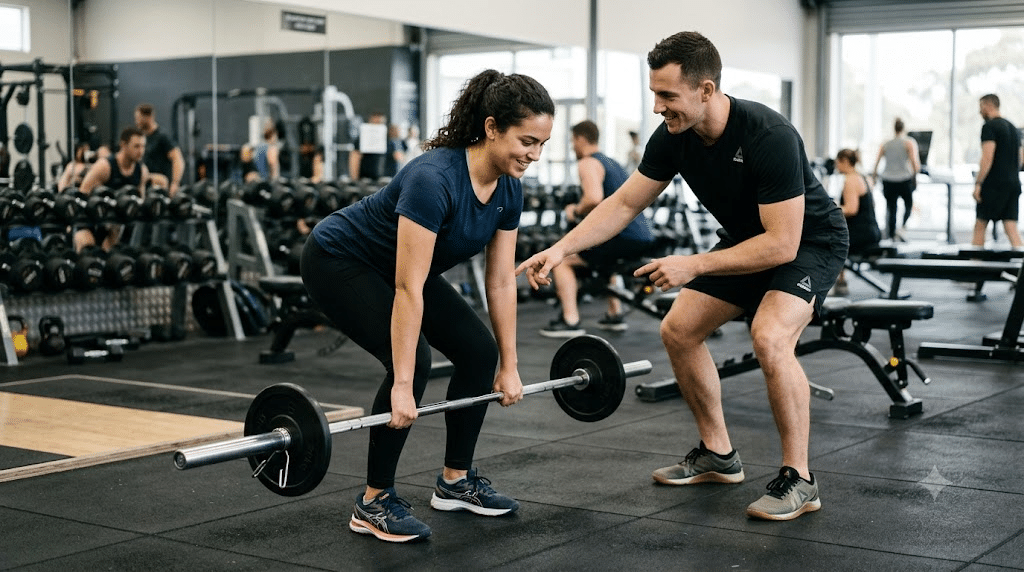
Learning proper movement mechanics on your own can lead to joint strain or injury. A trainer provides immediate, real-time corrections to your technique, helping you target the right muscles safely, build physical confidence, and lift heavier weights without compromising your body.
Built-In Accountability and Motivation
Maintaining workout consistency is tough when relying purely on willpower, especially during busy weeks. A trainer keeps you accountable with scheduled appointments and ongoing support, keeping your training structured, engaging, and aligned with your long-term goals so you stay on track.
Eliminate guesswork and achieve your dream results much faster with professional guidance
Book your expert Vancouver personal trainer at Iron Lab today!)
Work With Iron Lab’s Personal Trainers in Vancouver
At Iron Lab, we know starting a fitness journey can feel intimidating. That is why our Vancouver personal trainers provide one-on-one guidance in a private, welcoming environment. We take the time to understand your unique health background and goals, designing tailored programs that build your strength safely. Together, we’ll help you establish sustainable habits and achieve long-lasting results.