Meeting a personal trainer for the first time can feel exciting, intimidating or both. You may wonder whether you will be tested, pushed through a difficult workout or expected to arrive already fit.
A good first personal training session should feel supportive, organised and appropriate for your current ability. It gives your trainer time to understand your goals, assess your starting point and explain how personalised coaching can fit your lifestyle.
Here is what to expect from a personal trainer during your first session in Vancouver, how to prepare and what should happen after you leave the gym.
What Happens During Your First Personal Training Session?
Your first personal training session is designed to help your trainer understand you, establish a safe baseline and introduce personalised coaching. It is not a test of how strong, flexible or fit you are. You should be encouraged to ask questions, explain your concerns and complete each activity at an appropriate pace.
A Conversation About Your Fitness Goals
Your trainer will begin by asking what you want to achieve and why those goals matter to you. You might want to build strength, lose weight, improve mobility, gain muscle or feel more confident in the gym. This conversation helps turn broad ambitions into realistic priorities that can guide your personalised training programme and future progress.
A Review of Your Health and Exercise History
Your trainer will ask you to complete a Physical Activity Questionnaire that will make sure you are ready to begin exercise activity safely. During your first session your trainer will expand on those questions and learn more about your physical and health situation so he can tailor your training sessions to your specific needs.
You should also mention advice received from a doctor, physiotherapist or another healthcare professional. Honest information helps your trainer identify appropriate exercises, avoid unsuitable movements and make modifications that protect your health while supporting your fitness goals.
A Fitness and Movement Assessment
Trainers may observe simple movements to assess posture, balance, mobility, flexibility, strength and range of motion. These checks are not designed to judge or compare you with other clients. They give the trainer useful baseline information, highlight movement patterns that may need attention and help determine which exercises are safe and suitable.
A Manageable Introductory Workout
Most clients complete some exercise during their first session, but it should not feel like a punishment. Your trainer may guide you through a warm-up and several manageable movements based on your fitness level. They will observe your breathing, coordination and response to exercise while adjusting the pace, resistance and complexity when necessary.
An Explanation of Your Personalised Training Plan
Before the session ends, your trainer may explain how future workouts will be structured. This can include recommended training frequency, exercise progression, recovery needs and methods for tracking progress. At Iron Lab, coaching can also consider nutrition, mindset, sleep, stress and accountability so that your programme supports your wider lifestyle rather than focusing only on workouts.
Take the guesswork out of getting fit with a fully personalized Vancouver training plan
Will You Work Out During the First Session?
Yes, you will move and exercise for sure during your first session, however it wouldn’t necessarily be a high intensity workout as you may have seen on social media. The level of intensity would be tailored to your specific needs.
A Manageable First Workout Based on Your Fitness Level
The introductory workout may combine mobility exercises, and strength movements. Your trainer should choose exercises that match your experience, goals and current health.
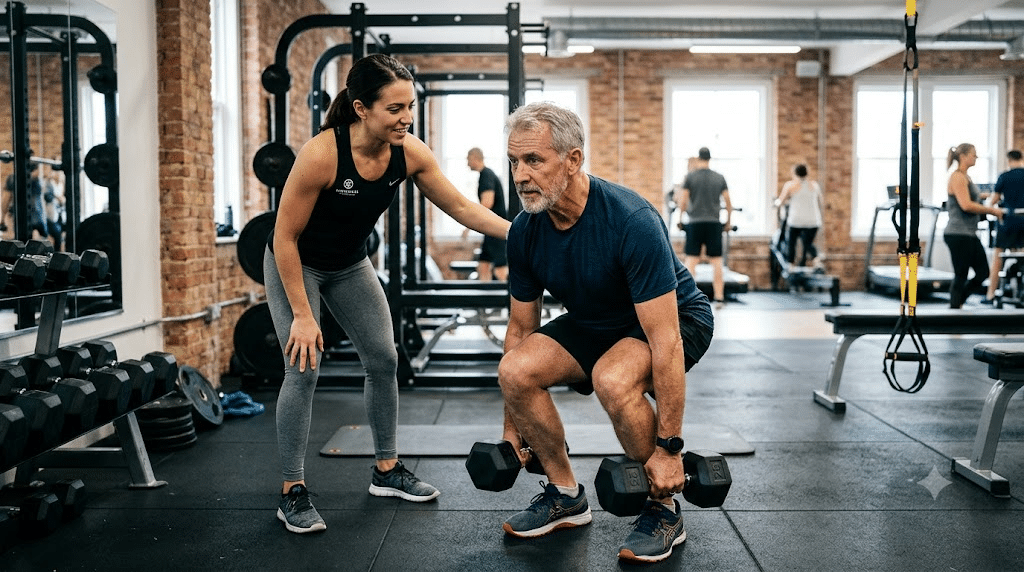
A beginner might practise basic movement patterns using body weight or light resistance. A more experienced client may complete a more detailed strength assessment. Older adults or people returning after an injury may begin with carefully controlled movements and additional support.
Personal training for older adults should prioritise confidence, movement quality and consistency over exhaustion.
Exercise Demonstration, Proper Form and Modifications
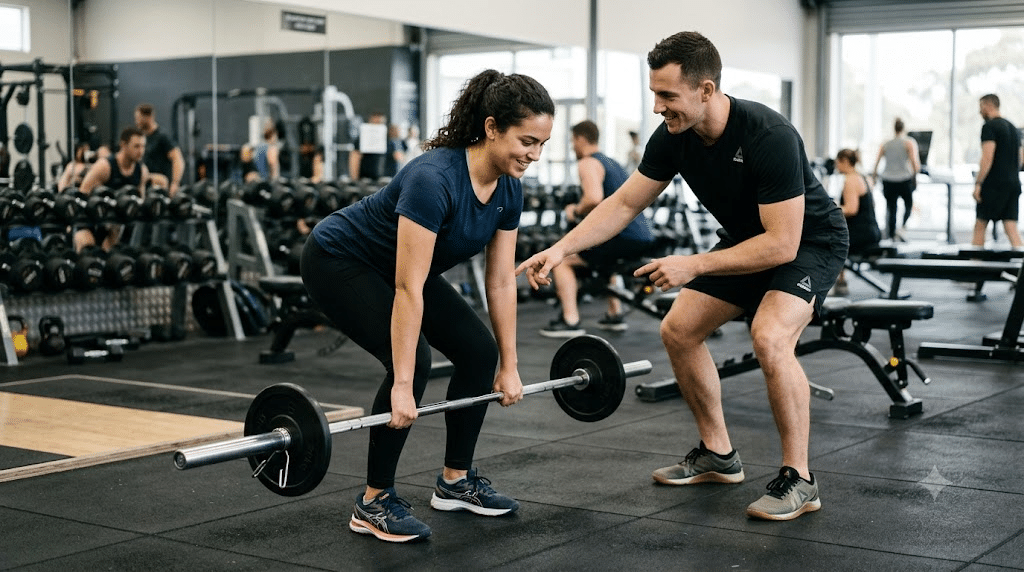
Your trainer should demonstrate each exercise, explain its purpose and give you time to practise. They may adjust your stance, range of motion, resistance or tempo to help you move with better control.
Good coaching is not about demanding one perfect technique from every client. It involves finding a safe and effective variation that works for your body. Functional fitness training can also help connect gym exercises with everyday tasks such as lifting, carrying, climbing stairs and maintaining balance.
How to Prepare for Personal Training
A little preparation can make your first personal training appointment more comfortable and productive. You do not need specialist equipment or advanced fitness knowledge. Arrive ready to discuss your goals, health and lifestyle honestly. The following steps will help your trainer understand your needs and make better use of your session.
- Wear comfortable workout clothing: Choose breathable clothes that allow you to move freely. Wear supportive athletic shoes, particularly those with flat sole and not runners as they have elevated heels that provide good cushioning for running however are not effective for the stability required for strength training.
- Bring water and useful equipment: Carry a water bottle, small towel and anything your trainer has requested. Keep your phone available if you need to complete scheduling or training-app setup.
- Write down your fitness goals: At Iron Lab we ask all our clients to complete a detailed questionnaire in advance of the first training session so you can think about your goals and limitations prior to the session. Once you see your coach you are already both on the “same page” when it comes to goal planning and creating a road map.
- Share relevant health information: Prepare details about previous injuries, pain, medical conditions, medications and professional treatment. This information helps your trainer select suitable exercises and make safe modifications.
- Arrive rested, fuelled and slightly early: Get adequate sleep, eat an appropriate meal beforehand and allow time to settle in. Avoid starting your session feeling rushed, dehydrated or excessively hungry.
Preparing is simple. We handle the heavy lifting so you can focus on progress. (13 words)
What to Expect After Your First Personal Fitness Session
Your coaching relationship should not end when the appointment finishes. A good trainer will explain what happens next, answer your questions and give you realistic expectations about recovery and progress.
Soreness, Recovery and the Next 24 to 48 Hours
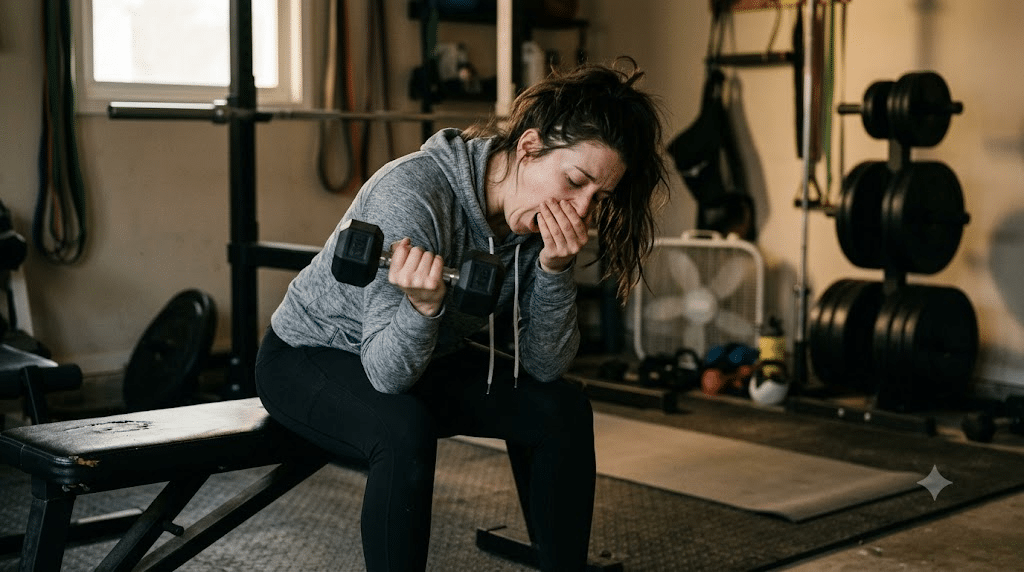
You may experience mild muscle soreness after completing unfamiliar exercises, although severe soreness should not be treated as proof of an effective workout. Your trainer should explain how to recover through hydration, regular meals, gentle movement and adequate sleep.
Tell your trainer if you experience sharp pain, significant swelling or symptoms that feel unusual. This feedback helps them modify your next session and distinguish normal training fatigue from a potential problem.
Your Customised Workout Plan and Progress Tracking
Your trainer will use what they learned during the consultation, assessment and introductory workout to create your programme. The plan may include strength training, cardiovascular exercise, mobility work and recovery guidance.
Progress should be monitored through measures that reflect your goals, including:
• Strength and exercise performance
• Mobility or range-of-motion improvements
• Workout consistency
• Energy and confidence
• Body measurements when relevant
• Pain-free movement and everyday function
Online personal training and app-supported coaching can also help you access workouts, record results and communicate with your trainer between appointments.
Training, Nutrition, Mindset and Accountability Between Sessions
Long-term results depend on more than the time you spend with your trainer. Nutrition, recovery, stress, sleep and daily habits all influence your ability to exercise consistently.
Iron Lab’s coaching approach considers these connected areas rather than treating every challenge as a workout problem. Personalised nutrition coaching may help you develop sustainable eating habits, while regular check-ins provide accountability and help your trainer adjust the plan when your schedule, health or priorities change.
Enjoy ongoing support, continuous progress tracking, and expert recovery advice post-workout
Experience Continuous Support With Iron Lab
Start Personalised Coaching With a Vancouver Trainer
At Iron Lab, we believe your first session should leave you feeling confident, informed and supported. We take time to understand your goals, training history, lifestyle and any injuries before building a plan around you.
Our Vancouver personal trainers focus on safe, personalised coaching that develops strength, mobility, fitness and long-term consistency. We also support the habits outside the gym, including nutrition, recovery, mindset and accountability, so your programme feels realistic, sustainable and suited to everyday life across Vancouver communities.